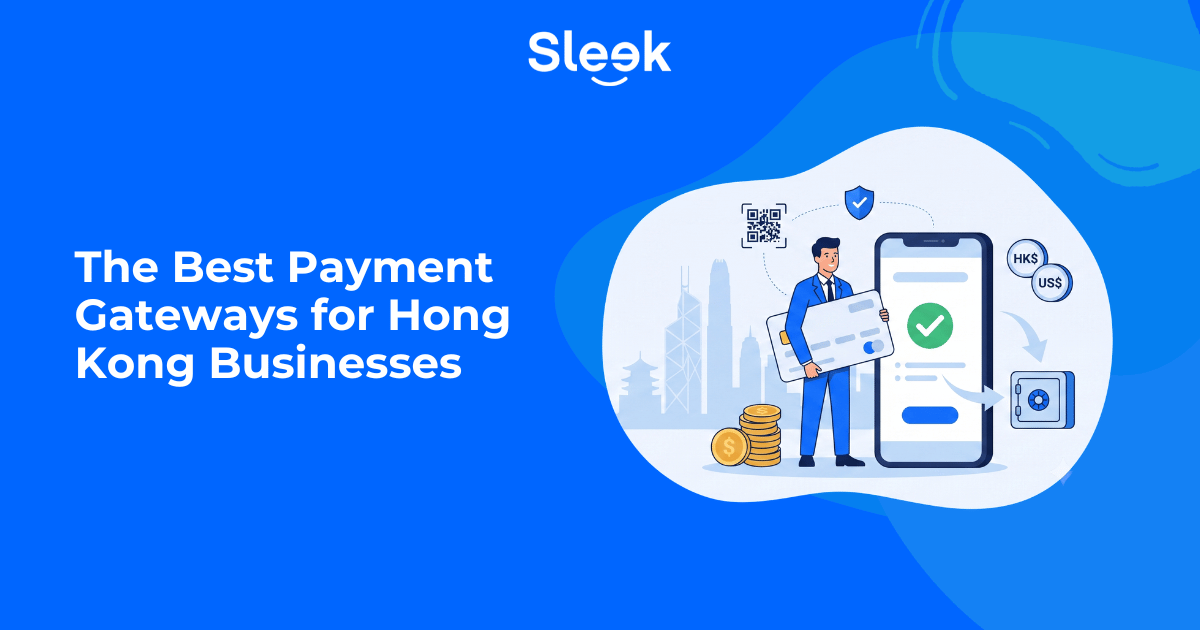











For any business in Hong Kong, choosing the right payment gateway is a critical decision. You need a solution that not only accepts credit cards but also seamlessly integrates with local favorites like FPS, PayMe, and Octopus, all while keeping currency conversion and hidden fees from eating into your margin.
This guide cuts through the noise, delivering fast answers, deep-dive comparisons, and actionable playbooks to choose the right stack for your specific Hong Kong business and accounting needs—updated with the latest information available as of 2025.
Your dedicated finance team is one click away
What is a payment gateway?
A payment gateway is a technology service that acts as a secure intermediary between a customer’s payment method and a merchant’s bank account. Essentially, it’s the digital equivalent of a physical point-of-sale (POS) terminal you would find in a retail store.
When a customer makes a purchase online, the payment gateway securely captures their payment information, sends it for authorisation, and then communicates the approval or decline back to the merchant’s website.
This intricate process, which typically takes only a few seconds, involves several key players:
- The Merchant: The business selling the goods or services.
- The Customer: The individual making the purchase.
- The Issuing Bank: The customer’s bank that issued their credit or debit card.
- The Acquiring Bank: The merchant’s bank that receives the payment.
- The Card Schemes: Networks like Visa, Mastercard, and American Express that facilitate the transfer of information.
How payment gateway works
Here’s a simplified step-by-step breakdown of how a payment gateway works:
1. Initiation
The customer selects their desired products or services and proceeds to the checkout page on the merchant’s website. They then enter their payment details (credit card number, expiration date, CVV).
2. Encryption
The payment gateway securely encrypts this sensitive information to protect it from unauthorised access during transmission.
3. Authorisation Request
The encrypted data is sent from the payment gateway to the acquiring bank, and then through the card scheme to the issuing bank.
4. Verification and Approval/Decline
The issuing bank verifies the customer’s details and checks if they have sufficient funds or credit. Based on this, it sends an approval or decline message back through the same channels.
5. Communication
The payment gateway receives this response and communicates it to the merchant’s website.
6. Confirmation
The merchant’s website then displays a confirmation message to the customer, indicating whether the transaction was successful.
Types of payment gateways
There are several types of payment gateways, each offering different levels of integration and control for the merchant:
Hosted Payment Gateways
These redirect the customer to a third-party payment provider’s page to complete the transaction. This is a simple and secure option for merchants as the payment provider handles all the sensitive data. A common example is PayPal.
Self-Hosted/On-Site Payment Gateways
With this type, the customer enters their payment information directly on the merchant’s website. The payment gateway then works in the background to process the transaction. This provides a more seamless customer experience but places more responsibility on the merchant for data security.
API-Hosted Gateways
These allow for a fully customised checkout experience where the merchant can collect payment information on their site via an Application Programming Interface (API) and send it to the payment gateway for processing. This offers the most control over the user experience but requires more technical expertise to implement and maintain security.
Local Bank Integration
In this model, the customer is redirected to their bank’s website to complete the payment (e.g., FPS redirection via HSBC or Bank of China). This is a straightforward method but may have limited features.
Benefits of using a payment gateway
Utilising a payment gateway offers numerous advantages for businesses of all sizes:
- Enhanced Security: Payment gateways employ robust security measures like encryption and fraud detection to protect both the customer and the merchant.
- Increased Sales: By offering a variety of payment options, businesses can cater to a wider customer base and reduce cart abandonment.
- Faster Transactions: Automated processing allows for quick and efficient transactions, improving cash flow for the merchant.
- Global Reach: Many payment gateways support multiple currencies, enabling businesses to sell to customers around the world.
- Improved Customer Experience: A smooth and secure checkout process builds trust and encourages repeat business.
How to Earn Money Online in Hong Kong: 32 Proven Ways for 2025
Top 10 payment gateways for your Hong Kong business
Choosing the right payment gateway is a crucial decision for any Hong Kong business aiming to succeed in the competitive digital market. Here’s a concise overview of the top 10 platforms, each with unique strengths to consider.
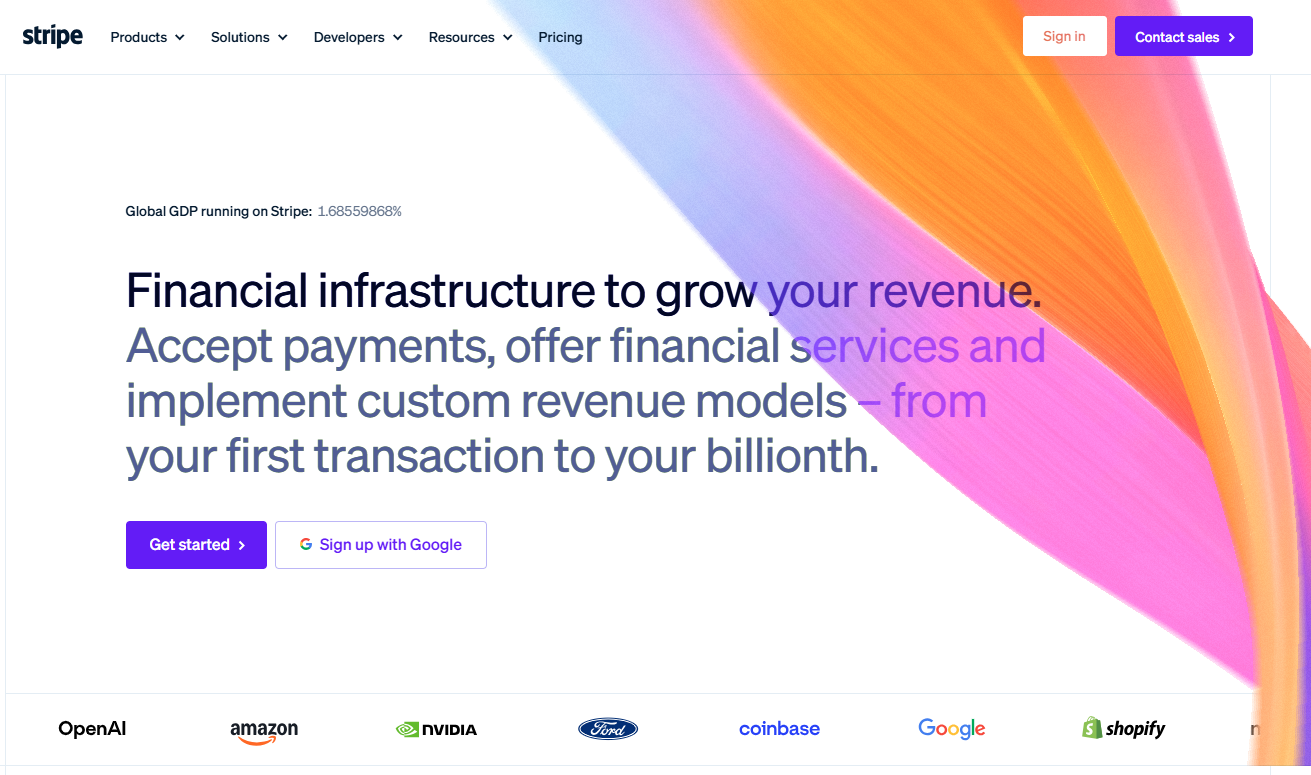
1. Stripe
Stripe is a developer-focused platform with a powerful API, ideal for building customised payment solutions for online and scalable businesses.
Key Features
- Robust APIs, SDKs, and prebuilt checkout components
- 100+ payment methods and 135+ currencies supported
- Advanced fraud detection with Stripe Radar
- Subscription management and recurring billing
- Strong analytics and reporting tools
Cons:
- Does not support PayMe or Octopus, limiting local HK payment adoption.
- Fees can be high for small merchants compared to local gateways.
Fees
Payment Method | Fees |
Cards (domestic) | 3.4% + HK$2.35 |
Cards (international) | +0.5% surcharge |
Currency conversion | +2% if applicable |
Alipay / WeChat Pay | 2.2% + HK$2.00 (+2% if FX applies) |
Disputes | HK$85 (refunded if won) |
Setup / monthly fees | None |
Supported Payment Methods
Category | Options |
Cards | Visa, Mastercard, AmEx |
Wallets | Apple Pay, Google Pay, Alipay, WeChat Pay |
Currencies | 135+ |
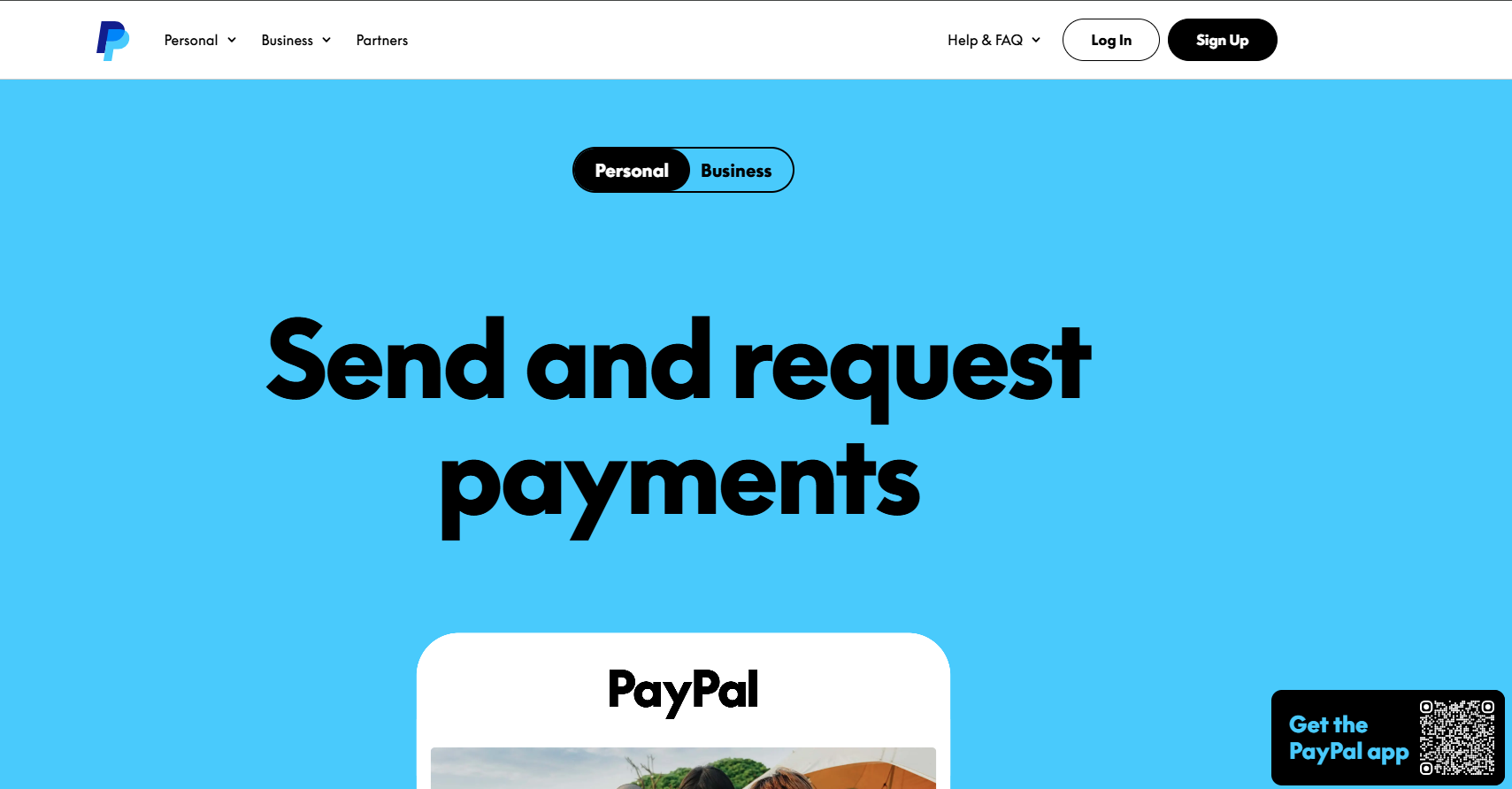
2. Braintree
A PayPal service, Braintree offers an all-in-one payment solution with seamless PayPal integration, making it easy to accept cards and digital wallets.
Key Features
- Direct PayPal wallet integration
- Flexible and customisable checkout
- Secure storage of customer details for recurring billing
- Subscription management built-in
- Enterprise-ready with custom contracts
Cons:
- Limited support for HK-specific wallets like FPS, PayMe, or Octopus.
- Pricing is not transparent — usually requires custom negotitations.
Fees
Payment Item | Fee Details |
Processing | Custom / negotiated |
FX on non-HKD transactions | Network rate + 1% |
Supported Payment Methods
Category | Options |
Cards | Visa, Mastercard, AmEx, JCB, UnionPay |
Wallets | PayPal, Apple Pay, Google Pay |
Local | Some regional wallets depending on market |
3. Adyen
Adyen provides a single, unified platform for large global enterprises to manage omnichannel payments, optimise transactions, and reduce fraud worldwide.
Key Features
- Global reach with 200+ methods and 100+ currencies
- Direct connections to card networks for higher approval rates
- Unified online, in-app, and in-store payment processing
- Advanced fraud protection with RevenueProtect
- Centralised reporting and analytics
Cons:
- Best suited for large enterprises; overkill for smaller HK businesses.
- Does not integrate directly with local HK wallets such as PayMe or Octopus.
Fees
|
Payment Item |
Fee Details |
|
Setup / monthly fees |
Contract-based |
|
Cards |
Interchange ++ |
|
Alipay / WeChat Pay |
~2–3% (negotiated) |
|
FX conversions |
Custom markup |
Supported Payment Methods
|
Category |
Options |
|
Cards |
Visa, Mastercard, AmEx, JCB, UnionPay |
|
Wallets |
Apple Pay, Google Pay, PayPal |
|
Local |
AlipayHK, WeChat Pay, and Alipay |
|
Currencies |
100+ |
4. Worldpay
As a long-standing global leader, Worldpay offers reliable and secure payment processing for large enterprises with high transaction volumes.
Key Features
- Accepts 120+ currencies globally
- Specialised for high-volume enterprises
- Strong fraud detection tools
- Multi-currency settlement flexibility
- Trusted partner in retail, travel, and hospitality
Cons:
- Complex onboarding; geared toward high-volume, enterprise clients.
- No native support for HK e-wallets like PayMe, FPS, or Octopus.
Fees
Payment Item | Fee Details |
Setup / monthly fees | Custom contracts |
Cards | Interchange ++ |
Wallets | Similar to card fees |
FX conversions | 2–3% typical |
Supported Payment Methods
Category | Options |
Cards | Visa, Mastercard, AmEx, UnionPay |
Wallets | Apple Pay, Google Pay, PayPal |
Local | Alipay, WeChat Pay |
Currencies | 120+ |
5. 2Checkout (now Verifone)
2Checkout simplifies global sales of digital goods by acting as a merchant of record, handling international tax, compliance, and subscription billing.
Key Features
- Acts as Merchant of Record (VAT/GST compliance handled)
- Multiple plans for digital and subscription businesses
- 45+ payment methods and 100+ currencies
- Revenue recovery tools: churn prevention, dunning, analytics
Cons:
- Not widely adopted in Hong Kong compared to AsiaPay or Stripe.
- Fees are higher for recurring/subscription models vs. local providers.
Fees
Item | Fee Details |
2Sell (one-time) | 3.5% + US$0.35 |
2Subscribe (recurring) | 4.5% + US$0.45 |
Cross-border fee | +2% |
Setup / monthly fees | None |
Note that pricing is listed in USD. Hong Kong businesses should factor in currency conversion for both receiving payments and calculating final costs.
Supported Payment Methods
Category | Options |
Cards | Visa, Mastercard, AmEx, Discover, JCB |
Wallets | PayPal, Apple Pay |
Others | 45+ methods worldwide |
6. Payoneer
Payoneer excels at cross-border B2B payments, enabling businesses to easily pay and get paid by international clients and marketplaces.
Important Distinction: Payoneer is not a customer-facing checkout gateway for an online store. Instead, it is a platform for businesses and freelancers to receive international payments from clients and marketplaces.
Key Features
- Ideal for freelancers and B2B businesses
- Multi-currency receiving accounts (USD, EUR, GBP, etc.)
- Mass payouts for global marketplaces (Amazon, Upwork, Airbnb)
- Simple withdrawal to local bank accounts
- Invoicing tools included
Cons:
- Not a true “checkout gateway” — more suited for B2B transfers, not retail payments.
- Limited local HK wallet support (no FPS, PayMe, Octopus).
Fees
Payment Item | Fee Details |
Receiving payments | ~1%–3% depending on method |
Withdrawals | US$1.50–US$2.50 (to bank, depending on country) |
Currency conversion | ~2% above market rate |
Supported Payment Methods
Category | Options |
Bank transfer | Local bank accounts worldwide |
Marketplaces | Amazon, Upwork, Fiverr, etc. |
Cards | Payoneer Prepaid Mastercard |
7. Razer Merchant Services (formerly MOLpay)
Razer Merchant Services specialises in Southeast Asia, offering businesses access to extensive local payment options in emerging markets.
Key Features
- Strong presence in SEA countries
- Wide range of local bank transfers and wallets
- E-commerce integrations for regional expansion
- Fraud detection and risk tools
- Gaming and digital goods payment expertise
Cons:
- Strong in Southeast Asia, but limited relevance for HK-based businesses.
- Does not support HK-specific wallets such as PayMe or Octopus.
Fees
Payment Item | Fee Details |
Transaction fees | Varies by method and region |
Setup / monthly fees | Quoted per merchant |
Supported Payment Methods
Category | Options |
Cards | Visa, Mastercard |
Local | FPX (Malaysia), Thai QR, Indonesia bank transfers, FPS, Octopus |
Wallets | GrabPay, Touch ‘n Go, Boost, Razer Pay |
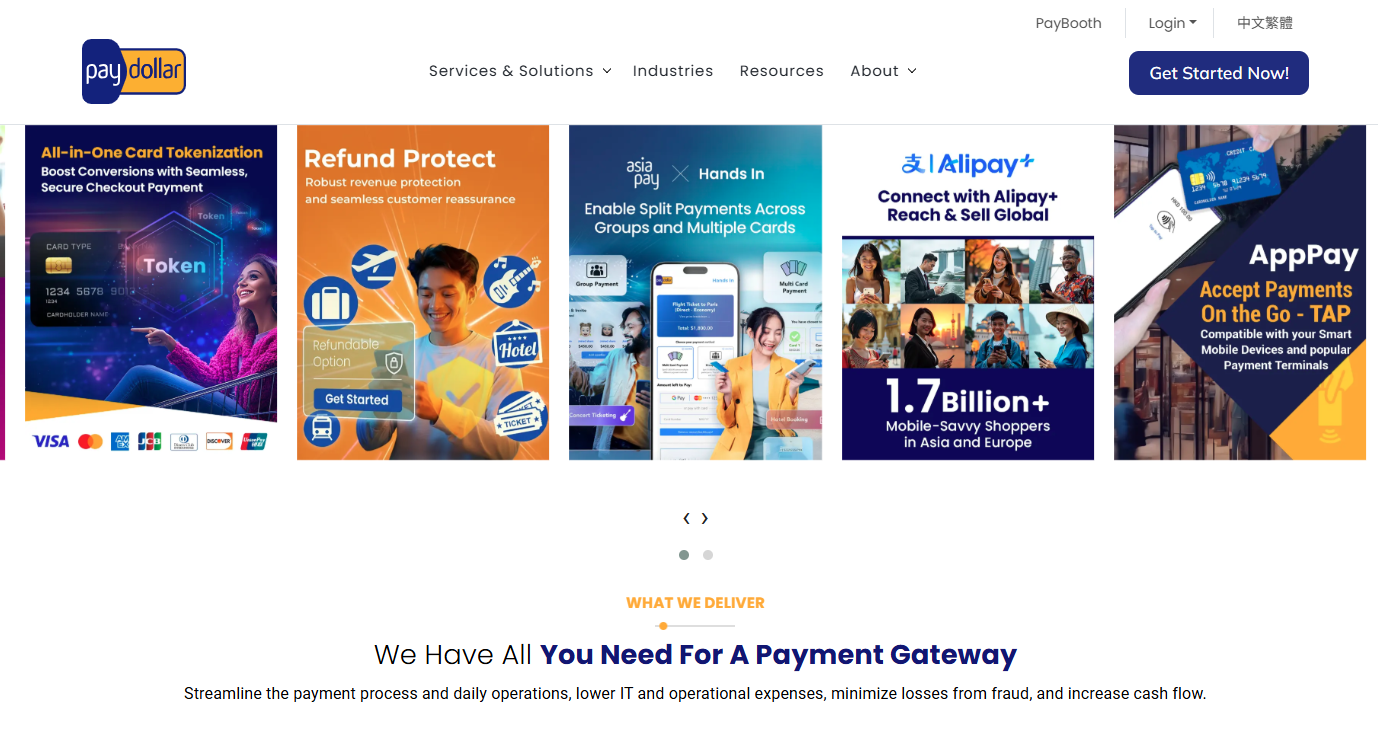
8. AsiaPay
Based in Hong Kong, AsiaPay supports both international cards and popular local methods, making it a strong option for HK merchants.
Key Features
- Local HK methods: FPS, Octopus, PPS, PayMe, AlipayHK, WeChat Pay HK
- Accepts major international cards
- Strong presence in APAC with local support
- One integration for cards, wallets, and local rails
Cons:
- Pricing and fees are quoted per merchant, so transparency is lower.
- Setup process can be longer compared to plug-and-play global gateways like Stripe.
Fees (Hong Kong)
Payment Item | Fee Details |
Setup / monthly fees | Quoted |
Transaction fees | Quoted per method |
FX / cross-border | Quoted |
Supported Payment Methods
Category | Options |
Cards | Visa, Mastercard, AmEx, JCB, UnionPay |
Local | FPS, PPS, Octopus, PayMe |
Wallets | Alipay, AlipayHK, WeChat Pay, Apple Pay, Google Pay |
9. eWAY (a Global Payments company)
eWAY provides a user-friendly and secure payment gateway for SMEs, known for simple integrations when you plan to start an e-commerce business.
Key Features
- Strong integrations with Shopify, WooCommerce, Magento
- Fraud prevention tools built-in
- 24/7 support for merchants
- Fast, developer-friendly API setup
- Trusted in Australia and APAC
Cons:
- Stronger presence in Australia; not as commonly used in Hong Kong.
- Limited support for HK wallets (no PayMe/Octopus directly).
Fees
Payment Item | Fee Details |
Transaction fees | ~2.9% + fixed fee |
Setup / monthly fees | None |
Chargebacks | Fixed fee (varies) |
Supported Payment Methods
Category | Options |
Cards | Visa, Mastercard, AmEx |
Wallets | Apple Pay, Google Pay |
Local | UnionPay (via Global Payments integration) |
10. Checkout.com
Checkout.com is a modern, API-driven payment platform offering direct acquiring and granular data to optimise payment performance.
Key Features
- Direct acquiring licenses in multiple markets
- Advanced analytics and performance optimisation
- Modular, developer-friendly API design
- Global coverage with 150+ currencies
- Enterprise-grade scalability
Cons:
- Enterprise focus means it may be complex for smaller HK merchants.
- Limited direct support for HK local wallets such as PayMe and Octopus.
Fees
Payment Item | Fee Details |
Transaction fees | ~2.9% + fixed fee (custom contracts for volume) |
Setup / monthly fees | None |
FX / cross-border | Custom rates |
Supported Payment Methods
Category | Options |
Cards | Visa, Mastercard, AmEx, UnionPay |
Wallets | Apple Pay, Google Pay, PayPal |
Local | Alipay, WeChat Pay |
Currencies | 150+ |
Picks by business type
After reviewing the top 10 payment gateways in Hong Kong, here are the clear recommendations based on your business model and needs:
For Subscription SaaS:Stripe
Stripe is the best choice for businesses that rely on recurring billing because it offers advanced dunning tools, subscription management, and developer-friendly APIs. It is particularly well-suited for software companies and membership-based services.
For the E-commerce SME:Braintree
Braintree is a strong option for small to mid-sized online stores as it combines seamless PayPal integration with support for major credit cards and digital wallets. It simplifies payments for SMEs that want to grow their online presence quickly.
For the Global Enterprise:Adyen
Adyen is designed for large, global enterprises that need a single platform for omnichannel payments. With direct connections to card networks, it optimises approval rates and provides advanced fraud prevention across markets.
For High-Volume Cross-Border Sellers:Worldpay from FIS
Worldpay is ideal for enterprises with high transaction volumes and international sales. It offers enterprise-grade reliability, flexible multi-currency settlements, and robust fraud protection.
For Digital Goods & SaaS Expansion:2Checkout (Verifone)
2Checkout is a great fit for digital-first companies because it acts as a Merchant of Record, handling compliance, tax obligations, and subscription billing worldwide. This makes global expansion much simpler for SaaS businesses and digital goods sellers.
For Cross-Border B2B & Freelancers:Payoneer
Payoneer is the go-to solution for freelancers, service providers, and marketplace sellers who work with international clients. It provides multi-currency receiving bank accounts and makes global payouts fast and straightforward.
For Southeast Asia Market Entry:Razer Merchant Services
Razer Merchant Services is best for businesses expanding into Southeast Asia. It supports a wide range of local wallets and bank transfers, making it especially valuable for gaming, retail, and regional e-commerce.
For Hong Kong-First Businesses:AsiaPay
AsiaPay is the most locally focused option, offering essential Hong Kong payment methods such as FPS, Octopus, PayMe, AlipayHK, and WeChat Pay HK. It also supports global cards, making it a versatile choice for domestic-first businesses.
For the SME that Wants Plug-and-Play:eWAY
eWAY is a user-friendly gateway that integrates easily with popular platforms like Shopify, WooCommerce, and Magento. It is best suited for SMEs that want a simple, secure, and fast payment solution without heavy customisation.
For High-Risk or Data-Heavy Businesses:Checkout.com
Checkout.com is a modern, API-driven platform that provides advanced fraud prevention and flexible underwriting. It is particularly suitable for businesses in high-risk industries or those that require detailed payment data to optimise performance.
Make payments flow into clean books with Sleek
Choosing a gateway is step one. Making sure those payouts, fees, chargebacks, and multi-currency settlements land in clean, audit-ready books is where Sleek shines.
With Sleek’s Hong Kong accounting services, we’ll:
- Reconcile PSPs properly (Stripe, Braintree, AsiaPay, Checkout.com, etc.) so deposits, fees, refunds, and disputes tie back to orders.
- Handle multi-currency and FX for cross-border sales without messy spreadsheets.
- Map wallets & local rails (FPS, PayMe, Octopus, Alipay/WeChat) to the right ledgers for clear margin and channel reporting.
- Support SaaS nuances like deferred revenue and subscription metrics, if you’re using MoR models (e.g., 2Checkout).
If you want your payment stack to translate into accurate management reports and simpler tax time, we can help—without the hard sell.
Let Sleek handle all your accounting needs
FAQs about payment gateways in Hong Kong
How is a payment gateway different from a processor or acquirer?
The gateway moves and secures the data; the processor/acquirer connects to the card networks and the issuing banks to authorise and settle the transaction. Many providers bundle both roles, but conceptually they are distinct.
What fees should I expect with gateways?
Common fees include a percentage plus a fixed amount per transaction, potential currency conversion/FX markups on cross-border payments, and occasional dispute/chargeback fees. Some providers add monthly, setup, or refund processing fees. The exact mix varies by provider and method.
How do settlement/payouts work?
After a payment is captured and clears, the provider batches funds and pays them out to your bank account on a schedule (e.g., daily, every few business days, or custom). Holidays, weekends, and cross-border flows can affect timing.
What’s the difference between hosted checkout and API integration?
A hosted checkout redirects or pops out a provider-managed page, speeding compliance and reducing development effort. An API/Elements integration lets you embed payments in your site or app for more control over UX, data, and orchestration—at the cost of more engineering and compliance work.
How do chargebacks and disputes work?
When a cardholder disputes a transaction, the issuer pulls funds while the case is reviewed. You can submit evidence (e.g., delivery proof, refund policy) via your provider. Outcomes depend on network rules and the quality of evidence; fees may apply regardless of the outcome.
incorporation, accounting, tax
services, and compliance.
450,000
businesses worldwide.
from 4,100+ reviews.
satisfaction rate from
16,000 surveyed clients.
450,000
businesses worldwide.
from 4,100+ reviews.
satisfaction rate from
16,000 surveyed clients.