









Expert Accounting & Year-Round Peace of Mind – now at ‎‎ 20% OFF! .
Expert Accounting & Year-Round Peace of Mind – now at ‎‎ 20% OFF! . Offer ends in:
Days
Hours
Min
Secs
United Kingdom
Singapore
Australia
Hong Kong

VAT Late Payment Penalty: What It Is, What’s Changed, and How to Avoid It

9 mins read
Picture of Toby Denwood
Toby Denwood
Tax Manager
Toby is an experienced tax advisor who leads the UK tax team at Sleek, helping owner managed businesses stay compliant, save time, ensure efficiency, and access valuable tax incentives.
LinkedIn
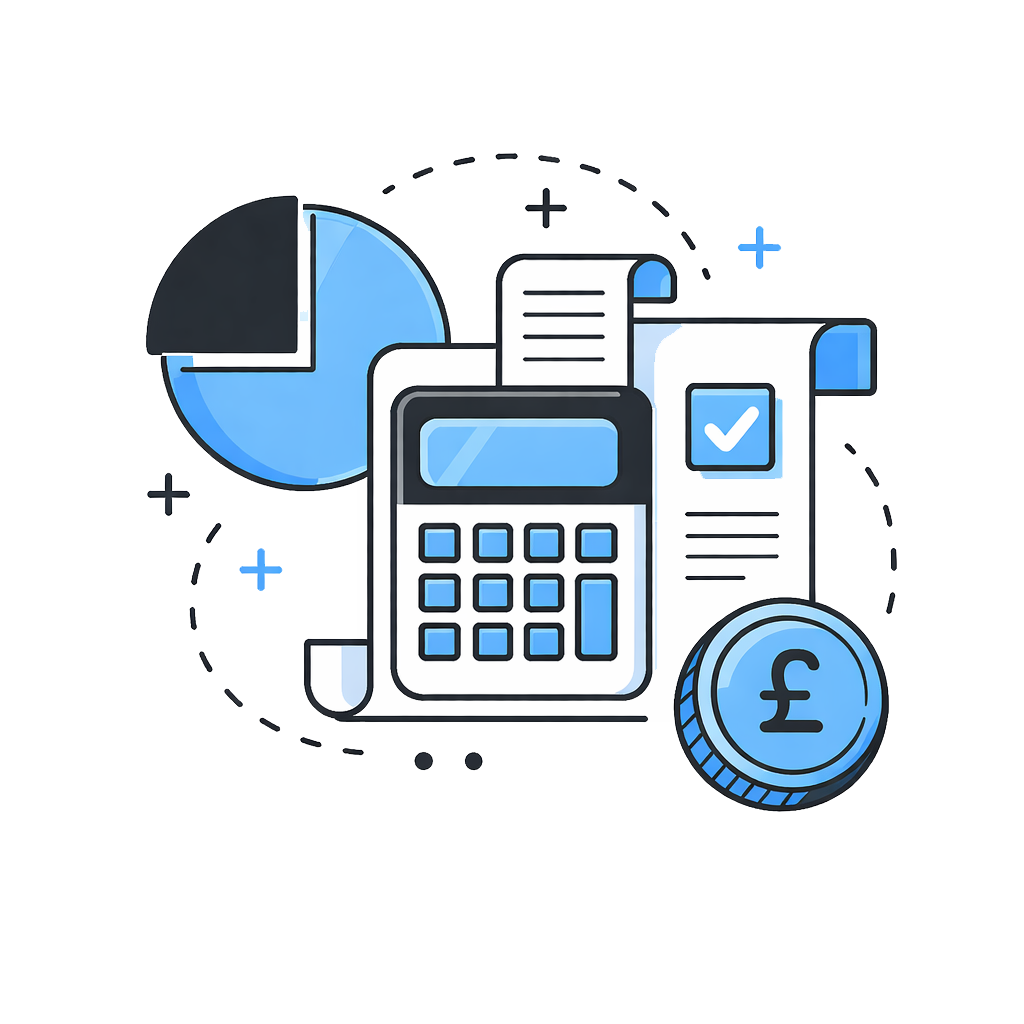
VAT late payment penalty illustration with coins, calculator, warning icon and VAT document on blue background
Key takeaways
  • Missing a VAT payment now triggers both late payment penalties and daily interest, making delays significantly more expensive than under the old system
  • The UK VAT penalty system is now points-based for late returns and percentage-based for late payments, so repeated non-compliance quickly escalates costs
  • The best way to avoid penalties is to plan cash flow, submit on time, and use Time to Pay arrangements early rather than waiting until penalties are applied
In this article

Missed your VAT deadline? You could be hit with a VAT late payment penalty, plus daily interest. The rules changed recently, and if you’re not up to speed, a simple oversight could get expensive fast.

This guide breaks down what VAT late payment penalties are, how they differ from the points system, how each works in 2026, and how to keep your business penalty-free. 

We’ll also show you how Sleek’s accounting services help you stay on top of VAT with less stress. 

Struggling with VAT deadlines or penalties? Speak to a specialist before costs escalate.

What is a VAT late payment penalty?

A VAT late payment penalty is a charge HMRC issues when your business does not pay VAT on time. It sits alongside the late submission points system, but it is not points-based itself. Late payment penalties and late submission penalties are separate parts of HMRC’s VAT penalty rules.

While the system is meant to be fairer, repeat late payers will now find HMRC less forgiving. You’ll face both fixed penalties and daily interest until the balance is cleared.

The VAT late submission point system

Infographic explaining how the UK VAT late submission points system works, showing thresholds, £200 fines, and reset requirements.
Miss VAT deadlines and you earn penalty points. Reach the threshold and face a £200 fine. Learn how many on-time returns reset the points.

This points system is separate & distinct from the penalty for paying late, and it’s important to understand the difference.

In a nutshell, you’ll get a point each time you miss a filing deadline. Once you hit a certain number of points, a £200 penalty is triggered. This penalty is issued every time you submit a late return after you’ve hit the threshold.

Here’s how the points system works for different filing periods:

  • Quarterly VAT returns: You hit the threshold at four points.
  • Annual VAT returns: You hit the threshold at two points.
  • Monthly VAT returns: You hit the threshold at five points.

To reset your points to nil, you have to submit your returns on time for a specific period:

  • Quarterly filers: Four consecutive quarterly returns.
  • Annual filers: Two consecutive annual returns.
  • Monthly filers: Six consecutive monthly returns.

Remember, submitting your VAT return on time, even if you cannot pay the VAT you owe, is how you avoid late submission penalty points. Paying late can still trigger separate late payment penalties and interest.

Exceptions to the rules

Not every late return will result in a penalty point. Points will not be issued for:

  • The first VAT return for newly registered businesses.
  • The final VAT return after you’ve cancelled your VAT registration.
  • One-off returns that cover a period other than your usual monthly, quarterly, or annual period.

The VAT late payment penalty system

Now that you’re up to speed on the late submission rules, let’s talk about what happens when your VAT bill isn’t paid on time. 

In 2026, HMRC still applies the late payment rates introduced on 1 April 2025:

Days Overdue

Penalty Rate

Up to 14 days

No penalty

15 to 29 days

3% of the VAT still unpaid at day 15

30 days or more

An additional 3% of the VAT still unpaid at day 30

From day 31 onwards

Daily penalty at an annual rate of 10% until the balance is paid

That means if you’re more than 31 days late, the cost continues to rise every day until the debt is settled.

In addition to these penalties, HMRC also charges late payment interest

HMRC charges late payment interest from the first day the payment is overdue until it is paid in full. The rate is Bank of England base rate plus 4%, so the exact percentage can change over time. As of 9 January 2026, HMRC’s late payment interest rate is 7.75%.


Tip

Set up a Direct Debit with HMRC so your VAT is paid automatically—this reduces the risk of missing deadlines and triggering penalties.

What’s changed for VAT late payment penalties in 2026?

To clarify, HMRC introduced the current VAT penalty regime for accounting periods starting on or after 1 January 2023, then increased the late payment penalty rates from 1 April 2025. The same structure still applies in 2026:

  • 15 days late
    • Old: 2% penalty → New: 3% penalty
  • 30 days late
    • Old: Additional 2% (total 4%) → New: Additional 3% (total 6%)
  • 31+ days late
    • Old: Daily penalty at 4% per annum → New: Daily penalty at 10% per annum
  • Late payment interest
    • Old: Bank of England base rate + 2.5% → New: Base rate + 4%

These changes mean even short delays now carry real financial risk. If you’re used to cutting it close, it’s time to tighten things up.

Common reasons for late VAT payments

Life happens, sure, but HMRC still expects payment. Here are a few typical reasons businesses fall behind:

  • Cash flow issues: when invoices are unpaid and your VAT bill lands at the worst time.
  • Admin errors: late returns, missing paperwork, or miscalculations.
  • Forgetting the deadline: especially if your accounting periods shift or you’re new to VAT.

Don’t fall into the trap of believing all of these are legitimate excuses though. And remember, even a small error on your VAT return can lead to an underpayment—and a penalty down the line.

Tip

If you can’t pay your VAT bill on time, contact HMRC early to arrange a Time to Pay plan before penalties start to build.

Who’s responsible for VAT payments?

If you run a limited company, directors are responsible for ensuring VAT is paid. If you’re a sole trader or in a partnership, it’s on you. 

Either way, HMRC applies the same rules across the board. Missed payments mean penalties, no matter your structure.

What if I can’t pay my VAT on time?

Don’t ignore it. Contact HMRC as soon as you know there’s a problem. If you act early, they may let you set up a Time to Pay arrangement, spreading your VAT bill over several months. It won’t erase your debt, but it could prevent penalties from escalating.

Be upfront, be realistic, and take the initiative. HMRC tends to be more flexible with businesses that show they’re trying to stay compliant.

If you cannot pay on time, contact HMRC as early as possible to discuss a Time to Pay arrangement. In some cases, you may be able to set up a payment plan online, depending on your circumstances and eligibility.

Just remember that you’ll still have to pay interest on the outstanding balance, even if you avoid the penalties. The sooner you act, the better your chances of getting a manageable payment plan in place.

The true cost of a late VAT payment

The consequences of late payments extend well beyond the immediate financial cost. However, it’s the escalating penalties and interest that can hit your business hardest.

Let’s look at a quick example with a £1,000 overdue VAT bill:

  • If you pay 14 days late, there’s no penalty, but you’ll start accruing interest from day one.
  • If you’re 15 days late, you’ll be charged a 3% penalty, which is £30 on that £1,000 bill.
  • If you still haven’t paid by day 30, an additional 3% penalty is applied, costing you another £30.
  • And if the bill remains unpaid after 31 days, a daily penalty kicks in at an annual rate of 10% until the balance is paid.

In addition to these penalties, HMRC also charges late payment interest from the first day the payment was due. This interest is set at the Bank of England base rate plus 4%. 

Because late payment interest is charged from the first overdue day and the rate moves with the Bank of England base rate, the total cost can change over time. As of 9 January 2026, HMRC’s late payment interest rate is 7.75%.

Consistently paying late can also negatively affect your business’s compliance record with HMRC, potentially leading to increased scrutiny of your business tax affairs. This could even make it harder to secure corporate finance in the future.

Speak to a Sleek specialist before costs escalate.

How to avoid a VAT late payment penalty

The best defence is good planning. Start with clear reminders or accounting software that tracks VAT deadlines. Setting up a direct debit can take the pressure off manually paying on time, and building VAT into your cash flow planning helps avoid last-minute scrambles.

The more organised your records, the easier it is to spot issues early. And if things do start to slip, reach out to HMRC before the due date, waiting only makes things worse.

How to appeal a VAT penalty

You can do this if you’ve got what HMRC considers a “reasonable excuse”. Think serious illness, bereavement, or IT failures. A lack of cash on its own rarely counts, though it might support a Time to Pay request. 

If you think you’ve been wrongly penalised, make your case quickly, clearly, and with evidence.

HMRC may cancel or amend a penalty if you have a reasonable excuse, and the penalty notice will explain your review and appeal options.

The easiest way to appeal is through your VAT online account. Alternatively, you can follow the specific instructions on the penalty notice letter you received from HMRC. You must appeal within 30 days of the date on the notice.

How Sleek helps you avoid late VAT payment penalties

VAT penalties don’t just hurt your bottom line. They drain your time and energy, too. Fortunately, that’s where Sleek comes in.

We take the hassle out of VAT with expert support, deadline tracking, and simple digital tools that help you file and pay on time. Whether you need help fixing a past issue or staying ahead of your next deadline, we’ve got your back.

Want to avoid penalties, interest, and compliance stress? Speak to a VAT expert at Sleek today.

Avoid VAT penalties before they happen with Sleek

Get proactive VAT support tailored to your business. Let Sleek take care of your VAT returns so you can focus on growing your business.

Disclaimer: The preceding information is not legal advice. This content is aimed to provide general guidance. For more formal or legal advice, contact Sleek directly.

Sleek is the preferred partner of business owners
Expertise in company incorporation, accounting, tax services, and compliance.
Trusted by over
450,000
businesses worldwide.
4.8/5
on Google
from 4,100+ reviews.
95%
satisfaction rate from
16,000 surveyed clients.

FAQs on the VAT Late Payment Penalty

How are VAT penalties different from interest charges?

VAT penalties are fixed charges applied when you miss a payment deadline, while interest is charged daily on the outstanding amount until it’s paid. Penalties are based on how late the payment is, whereas interest continues to accrue regardless. In practice, most late payments trigger both, increasing the total cost quickly.

Are VAT penalties automatic?

Yes, VAT late payment penalties are generally applied automatically by HMRC once a deadline is missed. The system tracks how late your payment is and applies the relevant percentage penalty without manual intervention. However, you may still be able to appeal if you have a reasonable excuse.

How much is the VAT late payment penalty in 2026?

The penalty depends on how late your payment is. There’s no charge if you pay within 15 days, but after that, penalties start at 2% of the outstanding VAT, increasing to 4% for longer delays. Additional daily penalties can also apply after 30 days, alongside interest charges.

What triggers a VAT penalty point?

A VAT penalty point is triggered when you submit a VAT return late, not when you pay late. Each missed submission adds a point, and once you reach a certain threshold, you receive a financial penalty. The threshold depends on how frequently you file your VAT returns.

How long do VAT penalty points last?

VAT penalty points typically expire after 2 years, as long as you remain compliant during that period. If you continue to miss deadlines, the points stay active and can lead to repeated penalties. You also need to submit all outstanding returns to reset your position.


View more

Can you appeal a VAT late payment penalty?

Yes, you can appeal a VAT late payment penalty if you have a reasonable excuse, such as serious illness or system failures. Appeals must be submitted within 30 days of the penalty notice, and HMRC will review your case. Providing clear evidence improves your chances of success.


Common mistakes that lead to VAT penalties

The most common causes include missing deadlines, underestimating VAT owed, and relying on manual processes. Cash flow issues are another major factor, especially when businesses don’t set aside VAT in advance. Using proper accounting systems and planning ahead can significantly reduce the risk.